


Choosing reliable iPhone screen suppliers involves more than comparing unit prices. For wholesalers, distributors, and phone repair businesses, product quality, panel sourcing, stock availability, delivery time, and after-sales support all affect purchasing costs.
Before placing a bulk order, compare suppliers against the same requirements, test samples, and confirm key terms in writing. This helps reduce purchasing risks and identify suppliers that can support repeat orders.
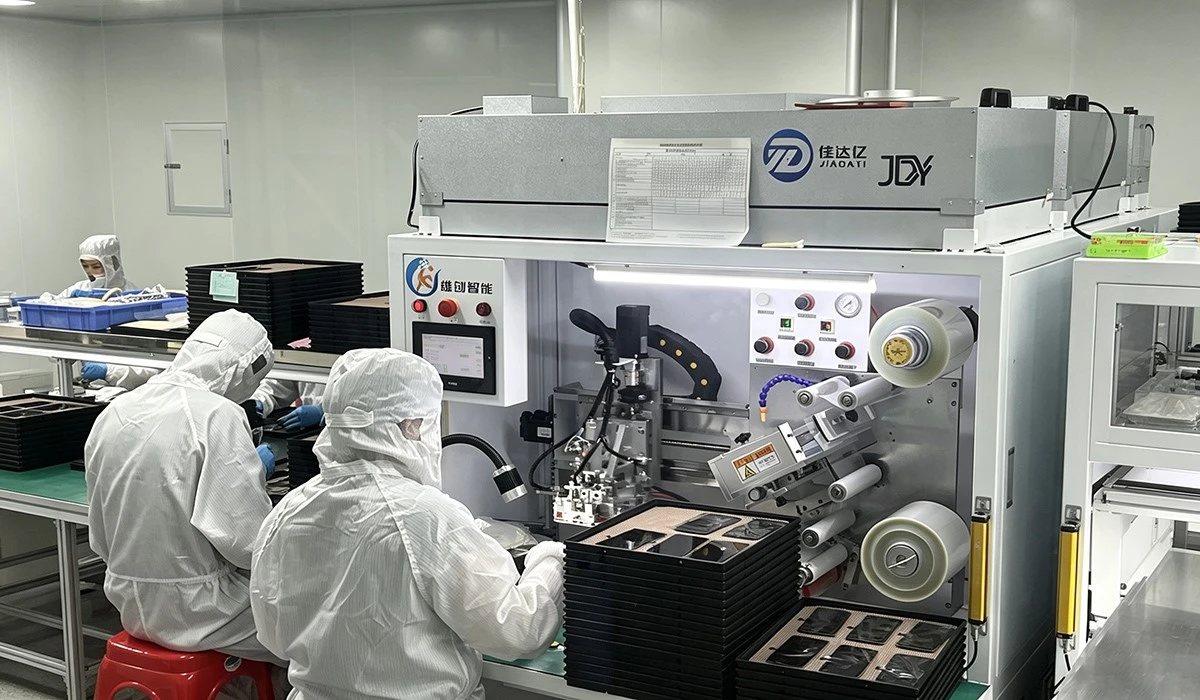
Check Supplier Experience and Factory Capability
A reliable iPhone screen supplier should explain its product range, sourcing arrangements, quality checks, and ability to support repeat orders.
Not every supplier manufactures display panels. Some assemble complete replacement screen modules, while others source finished products from partner factories. A trading company can also be a suitable wholesale partner if it manages quality and takes responsibility for customer issues.
Before choosing a supplier, ask:
- Which iPhone models and screen types can you supply?
- Where do the display panels come from?
- Which assembly and testing processes are handled in-house?
- Can you maintain supply for repeat orders?
- Who handles claims if products fail to meet the agreed specifications?
Why Consider Chinese iPhone Screen Suppliers?
China has an established mobile phone parts supply chain, offering access to screen components, assembly services, and packaging suppliers. This can help buyers source multiple models and arrange OEM or private-label products.
However, location alone does not guarantee quality or competitive prices. Request a live factory tour or visit the site if practical. Confirm which processes are completed in-house, what testing is performed, and whether the supplier can meet your expected order volume.
For buyers sourcing Soft OLED replacement screens, Longze supplies products using Huaxing panels, with module assembly and quality control as part of its supply process. Review the Longze website and the iPhone 17 screen product page, then confirm the panel source and configuration for the exact SKU.
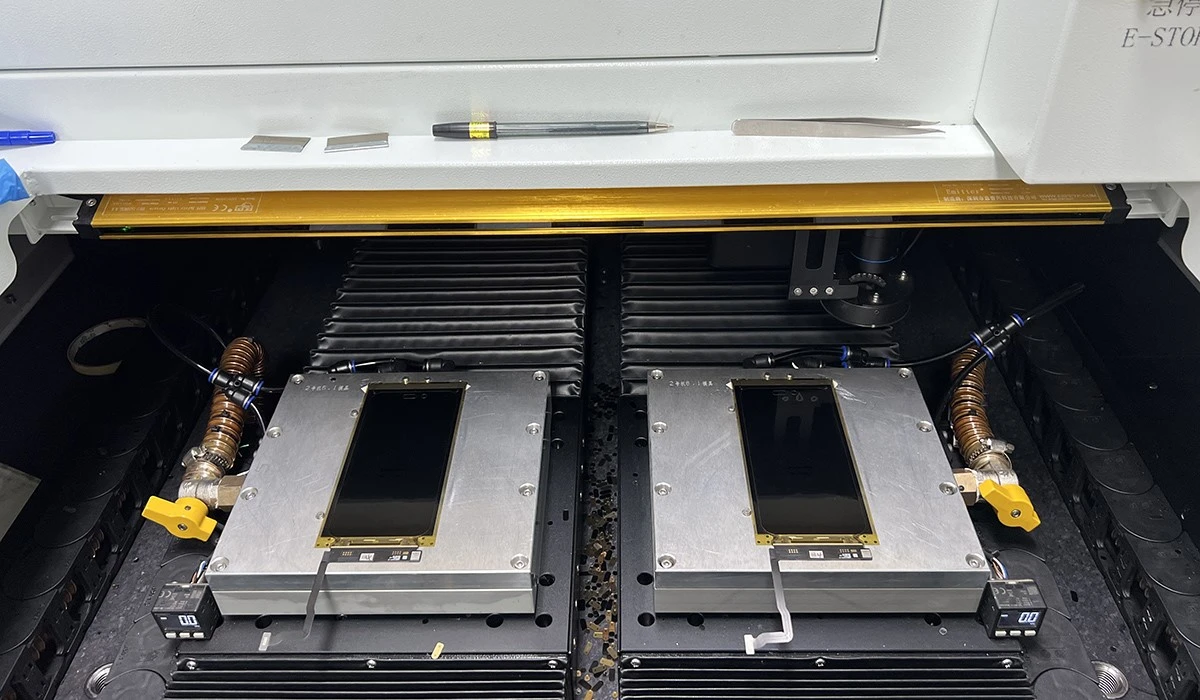
Choose the Right Screen Type and Check Product Condition
Before requesting quotations, decide which replacement screen type fits your customers, repair needs, and target price range.
Soft OLED vs. Hard OLED
|
Buying factor |
Soft OLED |
Hard OLED |
|
Panel structure |
Flexible OLED structure |
Rigid OLED structure |
|
Common buying position |
Often considered for higher-tier replacements |
Often considered for price-sensitive replacements |
|
Key checks |
Fit, display performance, touch response, and specifications |
Fit, display performance, touch response, and specifications |
Neither type is automatically the best choice for every business. Test screens for the exact iPhone model and compare performance, installation requirements, and price. Customer expectations and target selling prices should guide the decision.
How to Reduce the Risk of Buying Refurbished Screens
State clearly whether you require new replacement screens or accept refurbished products. Ask the supplier to confirm the product condition, grade, panel source, and configuration in writing.
Inspect samples and delivered goods for display defects, touch response, appearance, connectors, and flex cables. Keep records so you can compare bulk goods with the approved sample.
Visual inspection alone may not reveal whether a screen has been refurbished. If product condition is important to your business, request supporting information and agree on how any mismatch will be handled before ordering.

Test Samples and Agree on Bulk-Order Quality Standards
A sample helps you evaluate a screen, but it does not guarantee that every unit in a bulk order will perform the same way.
Test samples of the exact models and configurations you plan to buy. Check:
- Display: Brightness, color, uniformity, and visible defects.
- Touch: Response across the center, edges, and corners.
- Fit: Compatibility with the intended phone model and installation process.
- Connections: Flex cables, connectors, and physical condition.
- Performance: Whether the screen meets the agreed specifications.
Before shipment, ask which inspections are performed, such as display inspection, touch testing, appearance checks, and final functional testing.
Agree on acceptance criteria and defect-handling procedures before payment. Confirm what evidence is required for a claim and whether confirmed defects will be handled through replacement, credit, or another agreed arrangement.
Also confirm that bulk goods will match the approved sample in model, screen type, and configuration. A known panel source does not guarantee the quality of the complete replacement screen; assembly, connections, and final testing matter too.
Compare Supplier Quotes and Compliance Requirements
When comparing wholesale iPhone screen suppliers, request quotations for the same models, screen types, quantities, and shipping arrangements. This makes differences in pricing and terms easier to assess.
|
Comparison area |
What to confirm |
|
Product |
Model, screen type, grade, specifications, and panel source |
|
Quality |
Sample results, inspection process, and defect handling |
|
Supply |
Stock by model, replenishment, and lead time |
|
Price |
Unit price, shipping, and additional fees |
|
Terms |
MOQ, payment, warranty, and claim procedure |
|
OEM |
Branding, packaging, costs, and preparation time |
How to Compare Two Supplier Quotes
Suppose Supplier A offers a lower price but has limited stock, while Supplier B charges slightly more and can meet your delivery schedule. Supplier A may suit a small order with a flexible deadline. Supplier B may be a better fit if your business needs regular replenishment.
This is a hypothetical example. The right choice depends on product quality, order volume, delivery needs, and the cost of delays.
Compare total purchasing costs rather than unit prices alone. Shipping fees, minimum quantities, inconsistent quality, and delays can all affect profitability.
Check the documents required for your destination market and intended use. Confirm whether each document is mandatory, valid where applicable, and relevant to the products being supplied. Agree on responsibility for any required testing or certification before ordering.

Set a Suitable MOQ and Plan Your First Order
Minimum order quantity (MOQ) depends on the model, stock availability, configuration, and customization requirements. Standard products in stock may have a different MOQ from products requiring special assembly or packaging.
Is 100 Pieces a Good Starting Order?
A 100-piece trial order may be practical if the supplier accepts the quantity and it matches your demand. It is not a universal MOQ or a guarantee of low risk.
Before ordering:
- Select models based on current sales or repair demand.
- Confirm stock and MOQ for each model.
- Test samples of the exact configurations.
- Agree on quality criteria and defect procedures.
- Confirm payment, delivery, and warranty terms.
- Inspect the delivered goods before increasing order volume.
If you plan to buy several models, ask whether the MOQ applies to each model separately or to the total order. Confirm whether the quoted quantity is ready to ship or requires additional assembly.
What If You Need OEM or Private-Label Screens?
Confirm the available branding options, customization MOQ, setup costs, lead time, and packaging requirements.
Longze supports OEM and private-label options. Customers provide customized packaging materials such as bags and boxes. Confirm the exact requirements and schedule before customization begins.
For a new supplier, testing standard products first may help you assess quality and demand before investing in customized packaging.

Confirm Stock, Delivery, and After-Sales Support
A product listed in a supplier's catalog may not be ready to ship. Request a model-by-model stock list and distinguish available inventory from products that need assembly or replenishment.
Before payment, confirm:
- Available quantity and dispatch time for each model
- Shipping method, cost, and destination
- Payment terms and quotation validity
- Warranty period and exclusions
- Evidence required for claims
Do not judge after-sales support by the warranty period alone. Check how claims are reviewed and how confirmed defects are resolved. Clear procedures help avoid disputes and make repeat purchasing easier.
For wholesalers supplying repair shops and retailers, dependable replenishment and clear claim procedures can be more valuable than a small difference in unit price.
Use a Final Supplier Checklist
Before placing an order, check whether each shortlisted supplier meets your essential requirements.
|
Evaluation item |
Key question |
|
Sourcing and capability |
Can the supplier explain its sourcing and supply arrangements? |
|
Product quality |
Do samples meet the agreed specifications? |
|
Supply and delivery |
Are stock levels and lead times acceptable? |
|
Compliance |
Are required documents available? |
|
MOQ and OEM |
Are quantities and customization terms workable? |
|
Commercial terms |
Are payment, warranty, and claim procedures clear? |
Resolve any essential questions before payment. For a new supplier, start with a manageable trial order when practical and review product quality, delivery performance, and communication before increasing purchase volume.
Conclusion
Selecting reliable iPhone screen suppliers requires a balanced review of product quality, sourcing, price, stock, and after-sales support. Compare equivalent offers, test samples, and confirm key terms before committing to a bulk order.
When requesting a wholesale quotation from Longze, provide your iPhone model list, quantity per model, required screen type, destination market, and OEM or packaging needs. These details help clarify available configurations, stock, and pricing for your purchasing plan.
FAQ
Q: What Makes an iPhone Screen Supplier Reliable?
A: A reliable supplier provides clear specifications, transparent sourcing information, consistent quality checks, realistic delivery commitments, and a defined process for handling defects.
Q: Should I Buy from a Manufacturer or a Trading Company?
A: Either can be suitable. Check who manages quality, where assembly and testing take place, and who is responsible for defects.
Q: What Is a Reasonable MOQ for Wholesale iPhone Screens?
A: MOQ varies by model, stock, configuration, and customization. Confirm whether the minimum applies per model or to the total order.
Q: How Can I Reduce the Risk of Buying Refurbished Screens?
A: Request written confirmation of product condition and grade, inspect samples and delivered goods, and retain inspection records. Appearance alone may not conclusively identify refurbished products.
Q: What Should I Confirm Before Ordering Private-Label Screens?
A: Confirm branding options, MOQ, packaging materials, setup costs, lead time, and who supplies the customized packaging.